Gravograph Engraving Machine: A UK Jeweller's Guide
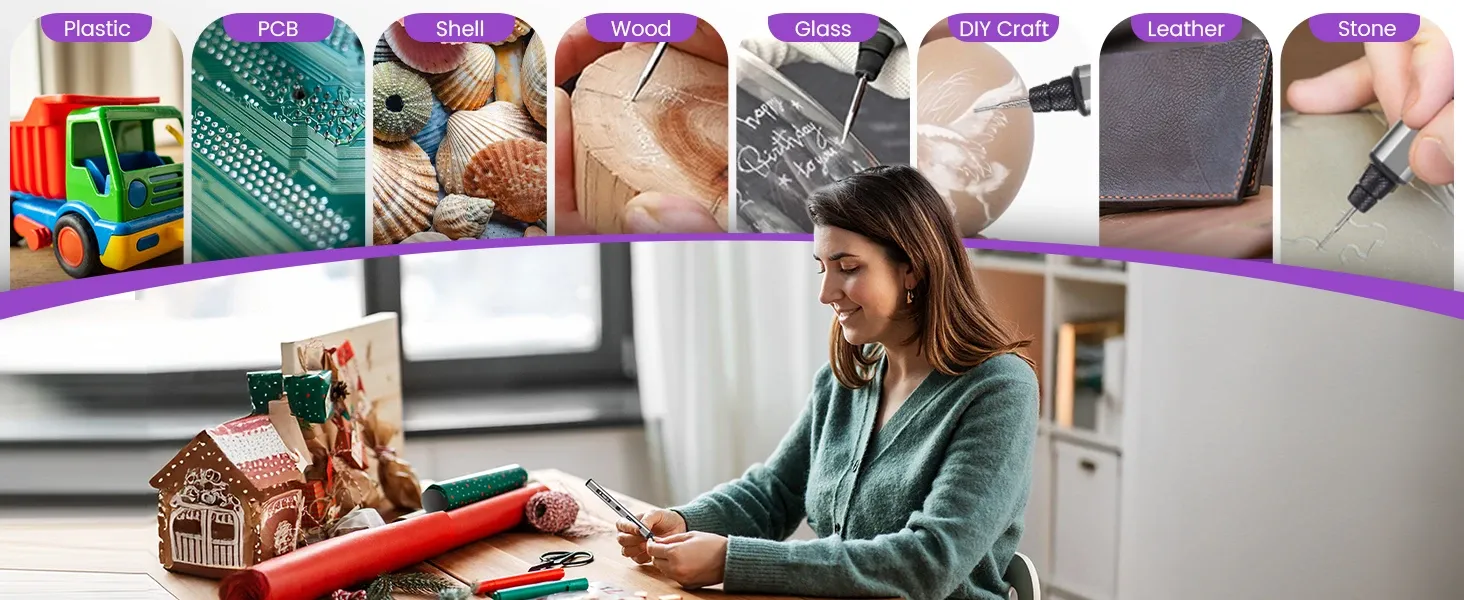
In short: A Gravograph engraving machine is professional workshop equipment — Gravograph is the rotary-engraving brand within the Gravotech group, and its machines are built for signage firms, trophy shops and production personalisation, priced accordingly as capital kit. If you make jewellery at home and mainly need a maker's mark, a date or fine lettering on silver, a precision engraving pen does that job for £108.53. This guide explains what the industrial machines genuinely offer, and where the line sits for a home studio.
What a Gravograph engraving machine actually is
Gravograph is one of the oldest names in mechanical engraving — the brand's pantograph machines date back to 1938, and today it sits within the Gravotech group alongside its laser and dot-peen ranges. A modern Gravograph rotary machine is a motorised, software-driven system: the workpiece is clamped, the design is set out in the control software, and a spindle cuts it with repeatable, production-grade accuracy.
That heritage is why the brand name has become shorthand for "proper engraving machine" in the UK trade. Trophy engravers, signmakers and in-store personalisation counters run them all day, every day. They are excellent at what they are for — and what they are for is throughput.
Who genuinely needs one
- Signage and trophy businesses cutting plates, plaques and badges in batches, where identical output and jig-based repeatability earn the machine its keep.
- Retail personalisation counters engraving gifts while customers wait, where speed and a tidy front-of-house footprint matter.
- Industrial workshops marking serial plates and control panels to specification, all day.
The common thread is volume. A clamped, software-driven machine wins when the same job repeats many times. For occasional laser-based batch work the economics are similar — we cover that side separately in our laser engraving machine guide.
The home jeweller's question: is it worth it for a maker's mark?
Here is the situation this page is really for. Your silverwork is selling at fairs or on Etsy, pieces are going out unsigned, and unsigned work reads as anonymous — it is harder to justify your price without an identity on the metal. You have looked at pendant drills, considered hand gravers with their long learning curve, and now you are wondering whether "a proper machine" is the answer.
An honest assessment: for signing work, industrial kit is almost always more machine than the job needs. What a signature or maker's initials on a ring shank, pendant back or spoon bowl actually demands is not throughput — it is fine control at very small scale. Two things matter:
- Steadiness at low vibration. Chatter is what ruins small lettering on precious metal. A hollow cup motor — the type in the ARROWMAX cordless engraving pen — runs noticeably smoother than cheap DC motors, which is exactly what you feel when writing 2 mm letters into a silver blank. A pendant drill's flexible shaft, by contrast, fights you at signature scale: the handpiece is steady but the shaft drags as you rotate the work.
- A grip that writes. A maker's mark is handwriting in metal. A 126 g pen held like a fountain pen lets you sign; a clamped machine ends up engraving a font, which is a different aesthetic — some makers want that uniformity, but most home jewellers signing work want it to look hand-cut.
The workflow that works in practice: plan the mark on paper, fix the piece in a small bench vice or setter's clay, set a low speed on the OLED display, and cut the signature in two light passes with a fine diamond point. Practise on copper or brass offcuts first — a signature has muscle memory, and you want that memory built before it meets a finished silver piece you have hours invested in.
One legal note for UK silver sellers
A hand-engraved signature is not a hallmark. In the UK, silver items over 7.78 g sold as silver must carry a legal hallmark struck through an Assay Office, and the sponsor's mark within that hallmark is a separate, registered stamp — engraving your initials yourself does not replace it. Under that weight threshold you may sell without a hallmark, which is where an engraved signature does the identity work on lighter pieces. When in doubt, your Assay Office is the authority, not a blog.
Machine vs pen: the honest comparison
| Gravograph-class rotary machine | Precision engraving pen | |
|---|---|---|
| Built for | Batch plates, trophies, retail personalisation | One-off marks: signatures, dates, fine detail |
| Cost class | Capital equipment — a business purchase justified by throughput | £108.53, free UK delivery |
| Footprint | Bench or floor standing, plus software and clamping jigs | Aluminium case in a drawer; 149 mm pen |
| Output character | Uniform, font-perfect, repeatable | Hand character — each mark individually cut |
| Learning curve | Software + machine setup and jigging | An afternoon of practice on scrap |
| When it wins | The same job, many times, paid for by volume | Signing individual pieces as you make them |
The two tools are not rivals so much as different stages of a business. If your order book ever fills with fifty identical pieces a week, machine economics start to make sense. Until then, the pen route means signed work now, for about one per cent of the outlay.
If you go the pen route: what to check
- Speed range with a readout. Silver, brass and gold-filled stock behave differently; the ARROWMAX pen's 6,000–25,000 rpm range with an OLED display lets you note the setting that worked on each alloy and dial it back exactly.
- Fine bits included. Its 42-bit kit includes the fine diamond and carbide points that suit small lettering — you can add specialist burrs later, but nothing extra is needed to sign your first batch.
- Cordless with magnetic charging. Working at a small bench, a trailing cable is one more thing to knock a piece with; magnetic USB top-ups between pieces keep the session going.
- A trial window. The pen ships with 30-day returns and a 12-month warranty, so the test is simple: sign ten copper blanks in your first week and judge the results on your own work. Full specifications are on the ARROWMAX cordless engraver product page.
Frequently asked questions
Is Gravograph still made?
Yes. Gravograph continues as the rotary-engraving brand within the Gravotech group, sold and serviced in the UK for signage, trophy and industrial customers.
Can a Gravograph machine engrave jewellery?
Yes — with ring attachments and jigs, the compact machines are used inside jewellery retail for inscriptions. The question for a home maker is not capability but whether batch-grade equipment fits a one-piece-at-a-time workflow and budget.
What does a maker's mark legally require in the UK?
For silver sold as silver over 7.78 g, a registered hallmark through an Assay Office is required by the Hallmarking Act — a self-engraved signature does not substitute for it. Below that weight, no hallmark is required and an engraved signature simply serves as your identity on the piece.
Can an engraving pen write letters small enough for jewellery?
Initials and short signatures at 2–3 mm are realistic with a fine point, low speed and a braced hand. Full hallmark-style micro-stamping is not — that is struck, not engraved.
Will engraving damage a finished, stone-set piece?
Work on pieces before setting stones where possible. Low-vibration tools reduce risk, but any rotary work near settings deserves caution — sign components early in the build, not last.
Ready to sign your work? The ARROWMAX cordless engraving pen — hollow cup motor for low vibration, OLED speed display, 42 bits including fine diamond points — is £108.53 with free UK delivery, 30-day returns and a 12-month warranty.
Ready to try ARRWMXLE?
Shop Engraving Pen — £108.53 · Free UK Delivery · 30-Day Returns