Glass Engraving Tool for Beginners: A UK Guide
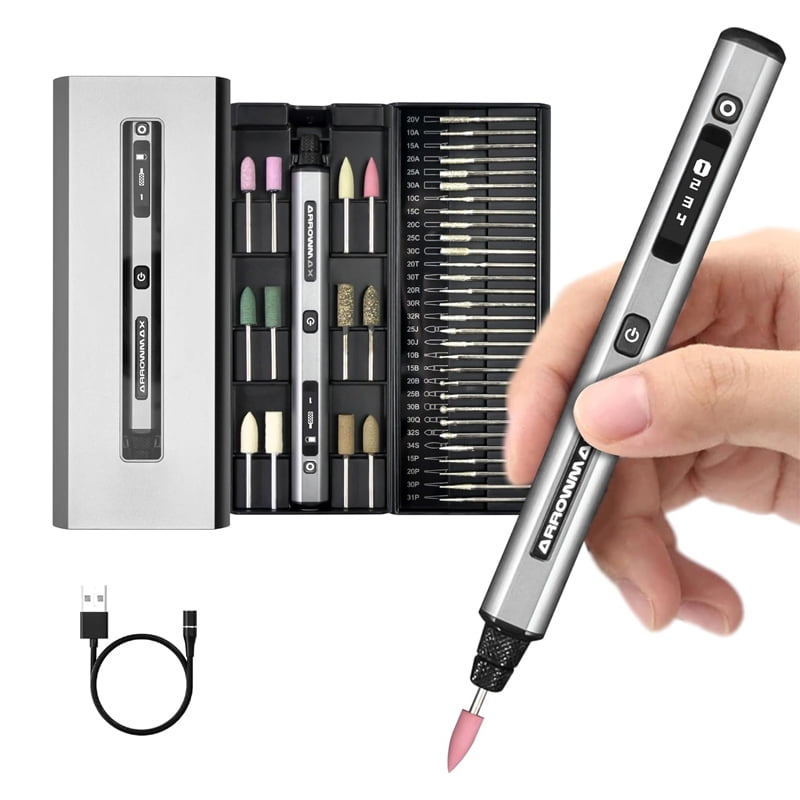
In short: The best glass engraving tool for a complete beginner is a lightweight cordless pen with variable speed, because glass rewards low rpm and a gentle grip rather than power. Run a diamond burr at the slow end of the dial, practise on a jam jar before you touch a good wine glass, and expect your first recognisable result within an afternoon. Glass engraving is one of the most forgiving desk-based crafts to start in retirement — the materials are free, the sessions are short, and mistakes cost a jar, not a project.
Is glass engraving hard to learn?
Genuinely no — and it is worth saying plainly, because the fear of buying kit for a hobby that does not stick puts many people off starting. Engraving glass with a rotary pen is closer to slow, careful colouring-in than to any workshop skill. You rest your hand on the table, the tool does the cutting, and you steer. There is no force involved: if you find yourself pressing, you are doing more than the technique asks.
It suits a winter routine especially well. A session is twenty minutes at the kitchen table with a cuppa, not an afternoon in a cold shed. And because the practice material is glassware you already recycle — jam jars, sauce bottles, odd tumblers — learning costs nothing after the tool itself.
What makes a glass engraving tool beginner-friendly
If you are comparing options, these are the features that actually matter for a first tool, in order:
- A slim, light body. You will hold the tool like a pen for the length of a session. The ARROWMAX cordless engraver weighs 126 g — about the same as a large fountain pen — which matters if your hands tire easily or your grip is not what it was. Lighter and slimmer beats bigger and stronger for glass, every time.
- Variable speed you can see. Glass wants the slow end of the dial: roughly 6,000–10,000 rpm to start. A tool with an OLED readout in large digits lets you check the setting at a glance and return to it next session, rather than guessing from the pitch of the motor.
- No trailing cable. You rotate the glass constantly as you work. A cordless pen with magnetic USB charging removes the cable snag and the fiddly charging port in one go.
- Diamond burrs in the kit. Glass is cut by abrasion, so you want diamond-coated bits: a fine ball for lettering, a slightly larger ball for thicker lines. The 42-bit kit that ships with the ARROWMAX pen includes both, so there is nothing extra to research or buy before you start.
All the specifications above are listed on the ARROWMAX cordless engraver product page — £108.53 with free UK delivery, and a 30-day returns window that works as a safety net if you try the hobby and it is not for you. That returns period, plus practising on rubbish glass first, takes most of the "what if I waste the money" worry out of starting.
Your first afternoon, step by step
1. Set up somewhere comfortable
A table at elbow height, good daylight or a desk lamp, and a folded tea towel to cradle the glass. Put on safety glasses — glass dust is the one non-negotiable safety point — and work with a window open or a small fan pointing away from you.
2. Start on a jam jar
Wipe it with washing-up liquid and dry it. Draw a simple shape on the inside with a marker pen, or tape a printed design inside the jar so you can trace the outline from outside. Simple leaf shapes, stars and initials are ideal first patterns.
3. Slow speed, light touch
Fit a fine diamond ball burr, set the speed low, and trace your outline with strokes so light the tool barely whispers. The mark appears as a soft frosted line. Two gentle passes always beat one forced one — pressing hard is what causes the tip to skid sideways.
4. Build up frosting
Once the outline is done, fill areas with small circular motions, like polishing a spot on a window. This is the classic frosted-glass effect, and it is very forgiving: uneven patches simply get another pass.
5. Then try a wine glass
Curved, thinner glass needs the same technique with slightly less pressure. Wrap a rubber band around the stem side to give your supporting fingers a reference point, and keep the speed low. A name and a date on a gift glass is a very achievable second-week project.
Honest limits: what a pen will not do on glass
- Deep cut-glass effects. The faceted sparkle of crystal is wheel-cut with fixed workshop equipment. A pen produces surface frosting and fine line work — beautiful, but a different look.
- Perfectly repeated logos. If you ever wanted fifty identical engraved glasses, that is machine work. For one-off gifts, hand character is the charm.
- Toughened glass. Oven doors and car glass are designed to resist exactly this. Stick to ordinary soda-lime glassware, which is everything in your recycling box.
Easy first projects that make good gifts
- A frosted initial on a jam jar tealight holder — first afternoon territory.
- Grandchildren's names on tumblers for family visits.
- A date and two initials on a wedding or anniversary glass.
- A simple holly sprig on festive jars for winter candles.
If you find you enjoy the craft and want one tool that also handles wooden spoons, brass keyrings and pet tags, the same pen covers those materials — see our wood engraving tool guide for the timber side, and our best engraving pen uk guide if you want the full buying comparison before you commit.
Frequently asked questions
What speed should a glass engraving tool run at?
Start around 6,000–10,000 rpm — the slow end of a variable-speed pen. High speeds generate heat and encourage skidding on the slick surface. Slow and light is the whole technique.
Can I learn glass engraving if my hands are not very steady?
Yes. Rest your forearm and the heel of your hand on the table, work in short strokes, and let the burr do the cutting. Frosted fill patterns are especially forgiving of small wobbles — they disappear into the texture.
Do I need to keep the glass wet while engraving?
For light craft engraving with a fine diamond burr, dry working with safety glasses and ventilation is common and manageable. A damp cloth wiped over the area between passes keeps dust down and lets you see the design clearly.
What is the best glass to practise on?
Jam jars and sauce bottles: the glass is thick, flat-ish and free. Move to tumblers, then thin-walled wine glasses, as your touch gets lighter.
Will one tool do glass, wood and metal?
A variable-speed rotary pen with a mixed burr kit handles all three — diamond bits for glass, carbide for wood and metal. That is the practical reason a multi-material pen makes sense as a first and only tool for a new hobby.
Thinking of trying it this winter? The ARROWMAX cordless engraving pen — 126 g, OLED speed display, magnetic USB charging, 42 bits including diamond burrs for glass — is £108.53 with free UK delivery, 30-day returns and a 12-month warranty.
Ready to try ARRWMXLE?
Shop ARROWMAX Engraving Pen — £108.53 · Free UK Delivery